
Stroke in Ayurveda
In Ayurveda, stroke is often correlated with a condition called Pakshaghata, a type of Vata Vyadhi — a neurological disorder caused by an imbalance in Vata dosha.
- Paksha = one side
- Aghata = affliction or paralysis
Thus, Pakshaghata refers to paralysis affecting one side of the body, which aligns with what is medically known as hemiplegia, often resulting from an ischemic or hemorrhagic stroke.
Understanding the Signs of Stroke
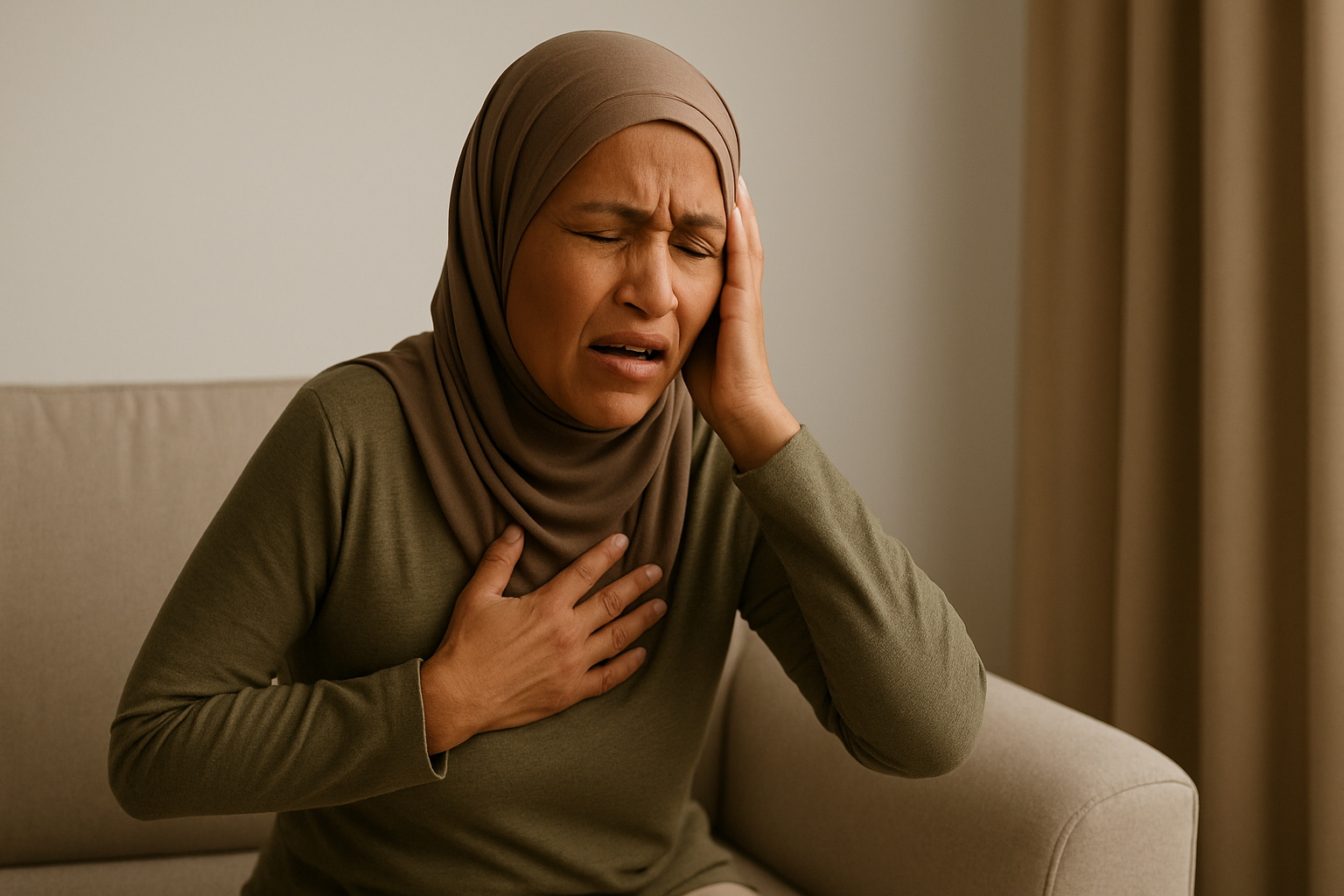
Ayurveda teaches us that the body rarely falls ill without first whispering signs of imbalance. In the case of Pakshaghat (stroke), these signs are often linked to a sudden aggravation of Vata dosha, affecting the body’s motor and sensory functions. Understanding these symptoms early — both physical and energetic — can help prevent long-term damage and guide timely healing.
Physical Symptoms (As per modern understanding):
- Dizziness or fainting
- Sudden weakness or numbness in the face, arm, or leg — especially on one side of the body
- Difficulty walking, loss of coordination, or balance issues
- Slurred or impaired speech
- Blurred or lost vision in one or both eyes
- Sudden severe headache without a known cause
Ayurvedic Observations (Rooted in dosha imbalance):
- Numbness or coldness in the limbs
- Facial asymmetry or drooping
- Stiffness or immobility in joints or muscles
- Uneven gait or inability to hold posture steadily
- Loss of voluntary movement (especially on one side)
- Confusion, agitation, or difficulty expressing thoughts
- Excess dryness in skin and tissues (a Vata trait)
Why Choose Ayurveda?

Improved Recovery
Research and clinical observations suggest that Ayurveda can enhance motor recovery and speech outcomes when used as a complementary therapy to conventional stroke treatments.
Panchakarma Benefits
Ayurvedic detox procedures like Abhyanga (oil massage), Basti (medicated enema), and Nasya (nasal therapy) may help improve blood flow, reduce spasticity, and restore neurological functions.

Herbal Support
Herbs such as Brahmi and Ashwagandha have shown neuroprotective, antioxidant, and anti-inflammatory effects in laboratory studies, supporting brain healing and regeneration.

 Rudra Ayurvedic Clinic