
Joint Pain
At Rudra Ayurvedic Clinic, we recognise that joint pain is more than just wear and tear, it often reflects deeper imbalances in the body’s doshas (Vata, Pitta, and Kapha) and dhatus (tissues).
Ayurveda classifies joint disorders based on their root cause and symptom expression, allowing for targeted and natural treatment approaches.
- Sandhigata Vata – Vata accumulating in joints, causing stiffness, cracking, and dryness.
- Ama Vata – Joint inflammation due to toxins (resembles Rheumatoid Arthritis).
- Vata-Rakta – Pain with burning, redness, often resembling gout.
- Kaphaja Sandhivata – Joint heaviness and swelling due to Kapha imbalance.
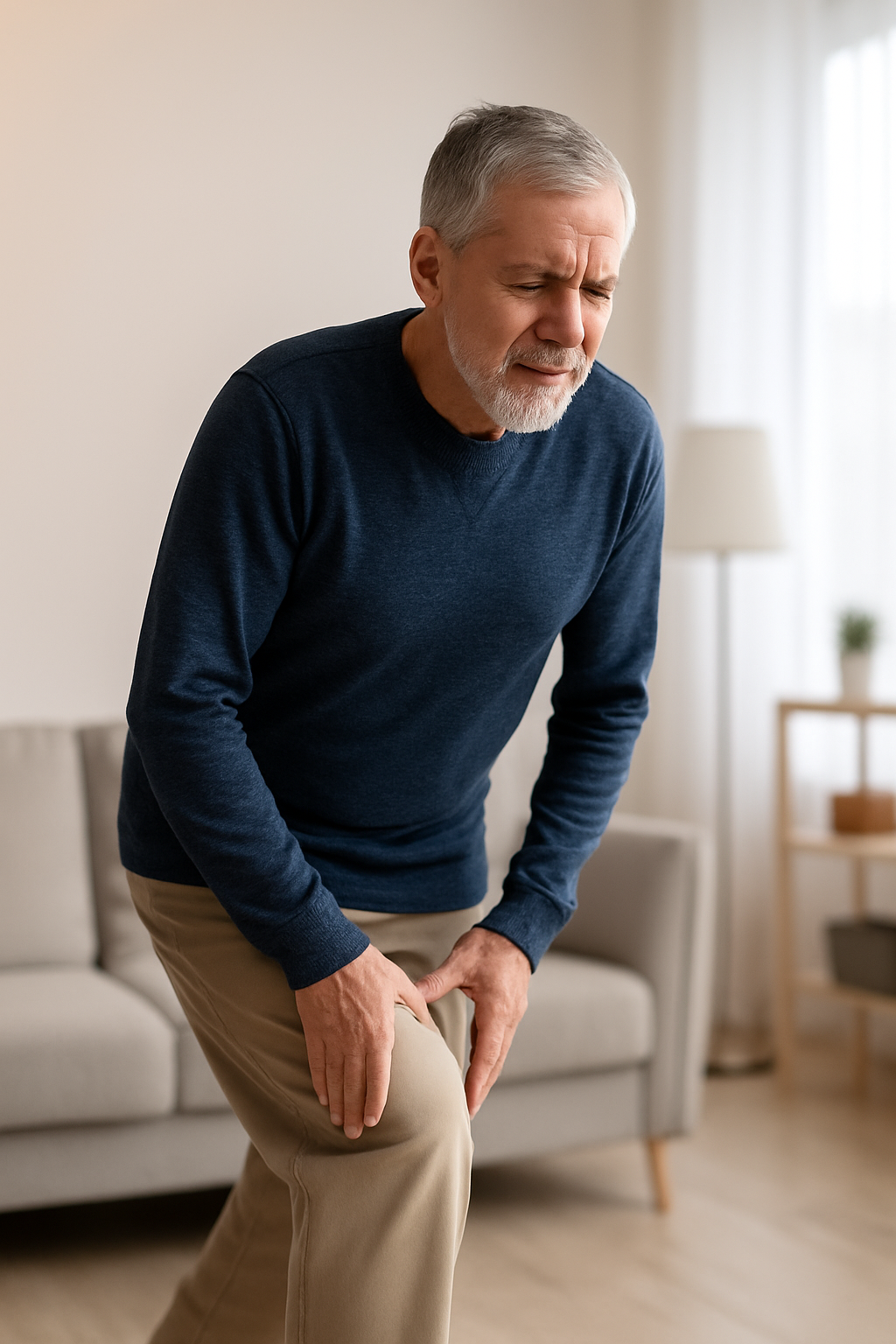
Recognise the Signals Early
While modern medicine identifies anemia by lab values and symptoms, Ayurveda looks for deeper doshic and dhatu-level disturbances.
Physical Symptoms (As per modern understanding):
- Osteoarthritis (OA) – wear-and-tear cartilage damage
- Rheumatoid Arthritis (RA) – autoimmune inflammation
- Gout – uric acid buildup, red hot joints
- Early-stage joint swelling with heaviness
Ayurvedic Observations (Rooted in dosha imbalance):
- Sandhigata Vata – Vata in joints causes stiffness, cracking, and dryness.
- Ama Vata – Inflammatory joint pain caused by toxins.
- Vata Rakta – Pain with burning, redness, and discolouration.
- Kaphaja Sandhivata – Joint pain with swelling, heaviness, sluggishness.
What does the research say?

Herbal Support
Shallaki (Boswellia) & Guggulu – Shown to reduce inflammation and improve joint function in OA & RA.

Oil Massage
Abhyanga (oil massage) with Mahanarayan Taila + Swedana (herbal steam) enhances mobility and eases stiffness.
Rasayana Support
Herbs like Amla, Ashwagandha, and Shatavari support hemopoiesis (blood formation), enhance Ojas, and promote long-term immunity and strength — essential for sustainable recovery from chronic anemia.

 Rudra Ayurvedic Clinic